
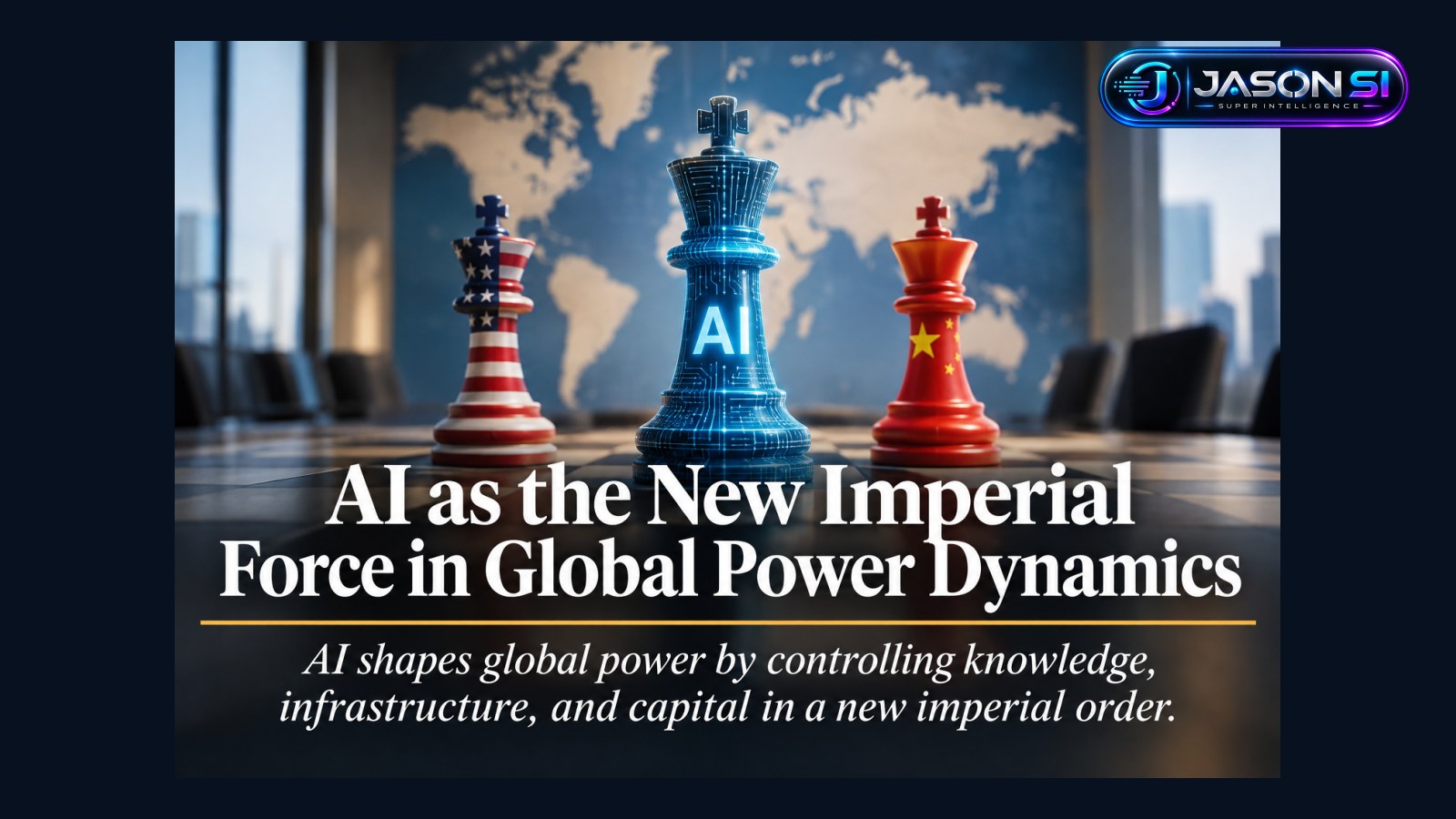
In a recent essay by Niall Ferguson, Lisa Klaassen, and Eric Schmidt, AI is framed as an inherently imperial technology, redefining the nature of global power. Unlike past empires that dominated territories and trade routes, today’s AI empires control knowledge, infrastructure, chips, and capital that underpin advanced machine cognition. This shift has profound implications for nations, businesses, and individuals worldwide.
The Rise of AI Empires
China and the United States are emerging as new types of empires, not through traditional conquest but by commanding the AI technology stack. Their influence extends into the scientific and intellectual progress of the entire world. This control means that other countries seeking advanced AI must depend on these two powers, creating a centre-periphery dynamic reminiscent of historical empires.
Historically, empires often failed due to overextension and resource strain. Today, the race to develop artificial general intelligence (AGI) and maintain technological supremacy hinges on who can sustain the immense financial and resource demands of AI development. This includes securing energy, critical minerals, and advanced semiconductor manufacturing capabilities.
Implications for Businesses and Societies
For businesses and governments, this imperial model means reliance on a small number of AI frontier firms primarily based in the US and China. These companies control access to powerful AI models and infrastructure, influencing innovation and market dynamics globally. This creates risks such as sudden changes in pricing, access restrictions, or geopolitical tensions affecting AI availability.
- Dependency on AI providers: Firms without their own AI capabilities must rely on external providers, potentially limiting their competitiveness and innovation.
- Geopolitical leverage: Control over AI technology becomes a tool for exerting influence, with export controls and regulatory policies shaping global access.
- Resource extraction: AI development depends on minerals and labour sourced from developing countries, raising ethical and economic concerns.
For everyday people, the imperial nature of AI may affect the availability and cost of AI-powered services, as well as the broader economic landscape shaped by AI-driven productivity and security policies.
Both the US and China have adopted different approaches to their AI empires. China’s state-led strategy focuses on coordinated national planning and international standard-setting, while the US model relies more on private sector innovation supported by a regulatory environment that balances noninterference with strategic export controls.
Understanding AI as an imperial technology highlights the need for businesses and policymakers to navigate a complex landscape where technology, geopolitics, and economics intersect. It also underscores the importance of strategic investment in AI infrastructure and talent to remain competitive.
For organisations looking to adapt, exploring AI platforms and infrastructure that align with their strategic goals while considering geopolitical risks is crucial. JASON SI offers insights and tools to help businesses understand and integrate AI technologies responsibly and effectively. Learn more at https://jason-si.com.
Scope and Implementation Disclaimer: This article summarises perspectives on AI’s geopolitical impact and does not predict specific outcomes or endorse particular technologies. Businesses and individuals should assess AI adoption in their context, considering regulatory, ethical, and operational factors.