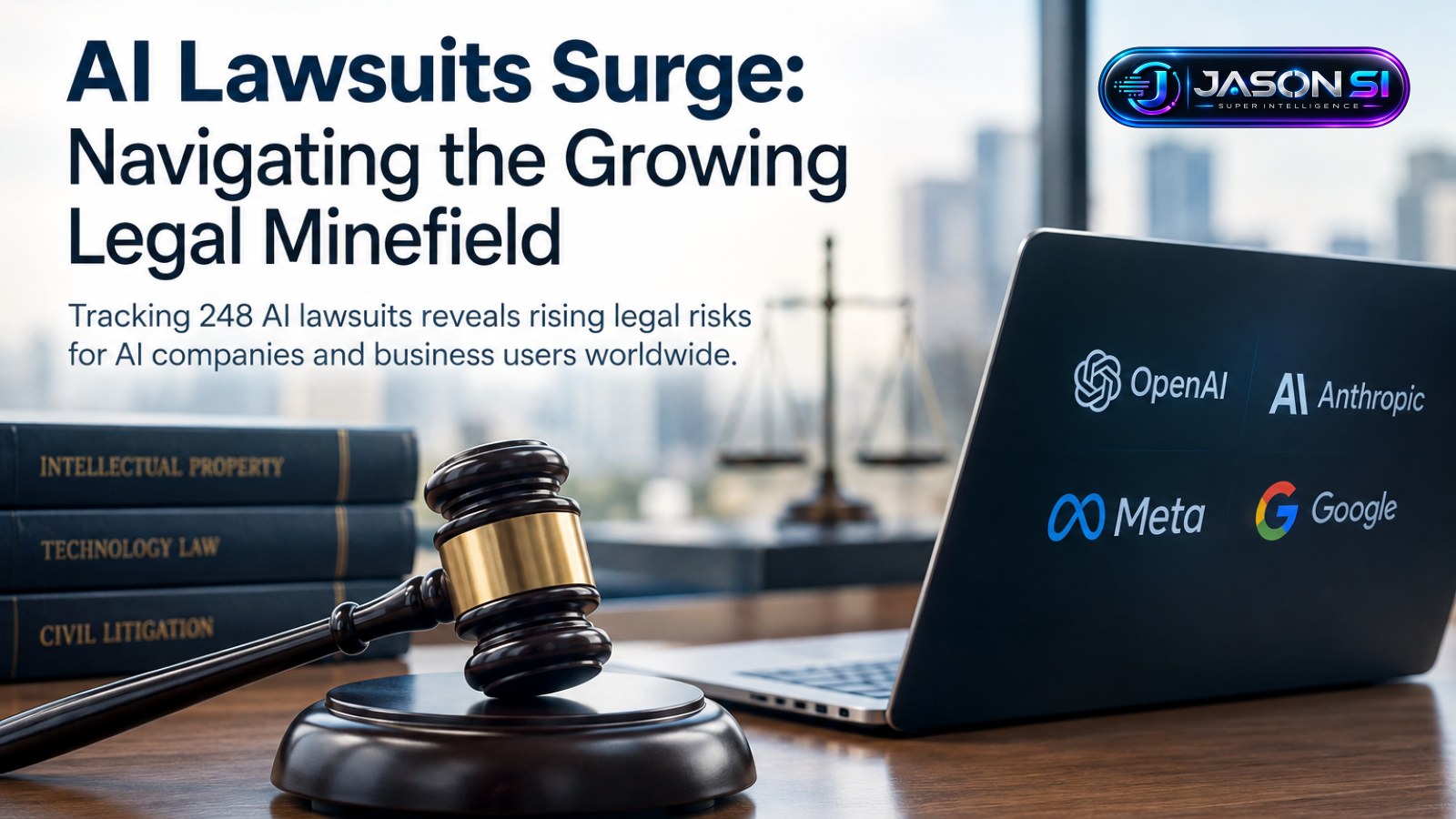
The rapid expansion of artificial intelligence technologies has triggered a wave of legal challenges, with 248 AI lawsuits currently tracked across 14 jurisdictions. This surge reflects growing concerns over copyright, privacy, antitrust, and other issues linked to AI development and deployment.
Current Litigation Landscape
As of October 2026, 248 lawsuits involve 76 defendants including major players like OpenAI, Anthropic, Meta, Microsoft, and Google. The cases span a wide range of legal areas such as copyright infringement, deepfake misuse, biometric privacy violations, antitrust claims, and employment discrimination related to AI.
Notable rulings include the denial of ByteDance’s motion to dismiss a complaint, injunctions granted to xAI pending appeal, and dismissal of some Google antitrust claims for insufficient pleading. Courts are actively shaping the legal boundaries for AI, with some decisions affirming copyright protections for AI training data while others allow for expanded discovery and new claims.
Practical Effects on Businesses and Users
For businesses, this growing legal scrutiny means increased risk and uncertainty when deploying AI solutions. Companies must carefully navigate intellectual property rights and regulatory compliance to avoid costly litigation or injunctions that could disrupt operations.
For everyday users and creators, these lawsuits highlight ongoing debates about ownership and control over digital content and personal data. The outcomes will influence how AI systems handle copyrighted material, personal likenesses, and privacy-sensitive information in the future.
- AI firms face mounting pressure to secure proper licences for training data.
- Privacy concerns are driving new biometrics and data protection claims.
- Antitrust suits challenge dominant AI platforms’ market practices.
- Employment discrimination cases question AI’s role in hiring and workplace decisions.
JASON SI advises businesses to stay informed of legal developments and adopt responsible AI governance frameworks. For detailed case tracking and insights, visit the comprehensive AI Lawsuit Tracker database.
Scope and Implementation Disclaimer: This article summarises publicly available court data and rulings as of October 2026. It does not provide legal advice or predict future case outcomes. Businesses should consult qualified legal counsel for specific guidance on AI-related risks and compliance.