
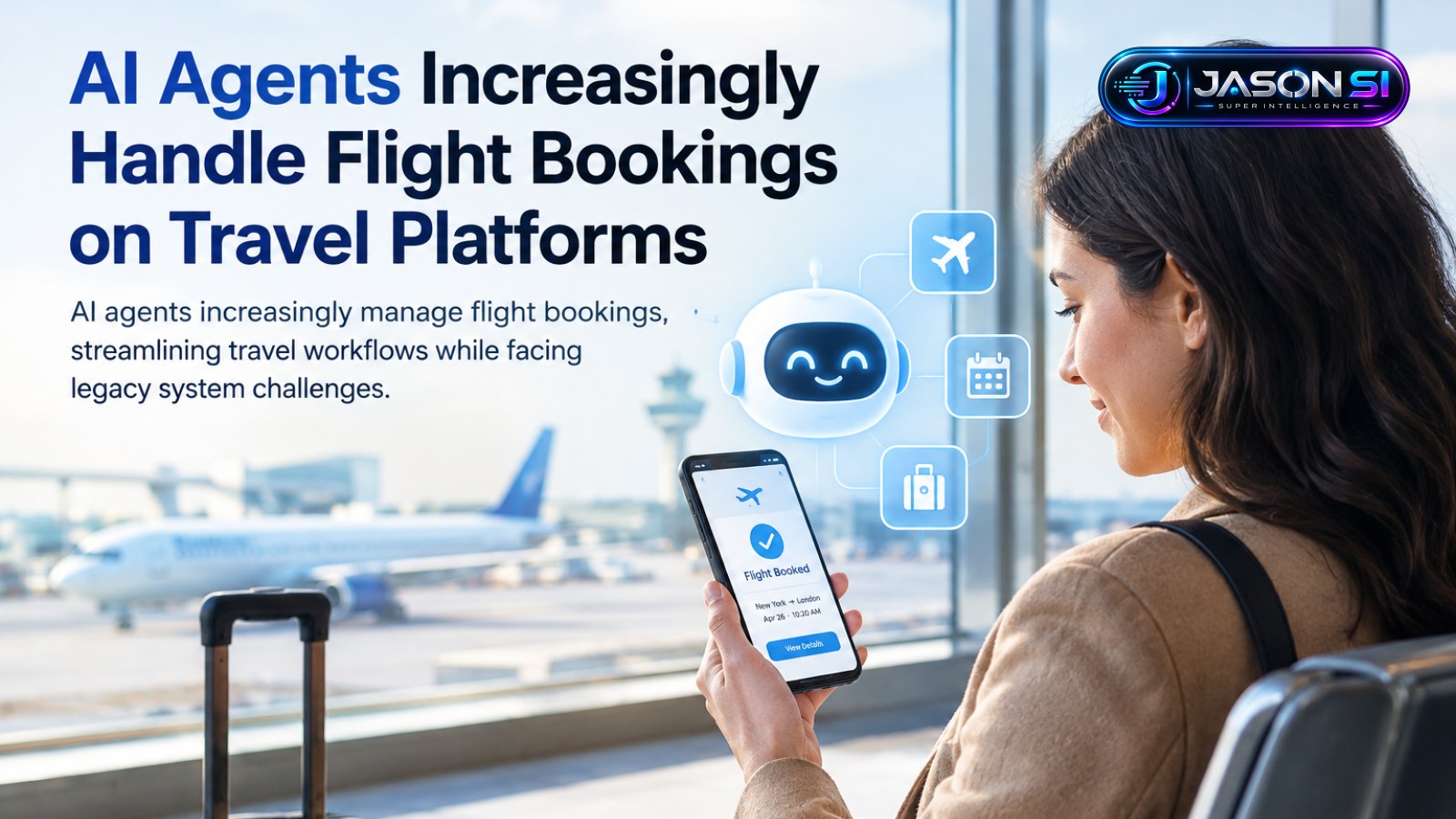
Artificial intelligence is steadily transforming the travel booking experience, with AI agents reportedly handling more flight bookings than human users on certain platforms. This shift highlights the growing role of AI automation in streamlining complex workflows and improving customer convenience.
AI Agents Taking Over Booking Tasks
A community discussion on a travel platform revealed that AI agents have started to book flights more frequently than human customers. While this development is still emerging, it signals a notable change in how travel services operate. The platform’s creators have invested significant effort to ensure the booking and management processes are straightforward and proactive. For example, AI can automatically suggest replacement flights if a scheduled flight is delayed or cancelled, reducing the need for user intervention.
However, challenges remain, particularly around refund and customer service flows. These often depend on legacy systems operated by airlines and travel companies with long-standing, slower processes. AI can manage many aspects behind the scenes, but the speed of resolution for issues involving third parties is currently limited by these external factors.
Implications for Businesses and Consumers
The adoption of AI agents in travel booking reflects broader trends in business workflow automation. As AI models continue to improve rapidly, some experts speculate that future iterations could manage almost all computer-based tasks. This could free users from routine activities, allowing them to focus on other priorities.
Despite the optimism, there are concerns about the broader impact. Some community members note that the cost of running advanced AI agents remains high, potentially restricting widespread adoption. Additionally, the environmental impact of increased electricity consumption for AI services is a consideration. The transition to AI-driven processes may also disrupt traditional job roles, although the timing and scale of this remain uncertain.
- AI agents can proactively manage bookings and suggest alternatives automatically.
- Legacy airline and travel company systems limit the speed of refund and customer service processes.
- Rapid AI model improvements may soon enable more comprehensive automation.
- Cost and energy consumption pose challenges for mass adoption of AI agents.
- Users may benefit from less manual involvement in routine travel arrangements.
For businesses and consumers interested in practical AI adoption and workflow automation, platforms embracing AI agents offer a glimpse into the future of travel services. JASON SI provides insights and tools to help organisations navigate these changes effectively.
Scope and Implementation Disclaimer: This article is based on community discussions and company claims regarding AI agents in travel booking. The described capabilities and outcomes are not independently verified and may evolve as technology and industry practices develop. Readers should consider these factors when evaluating AI automation solutions.